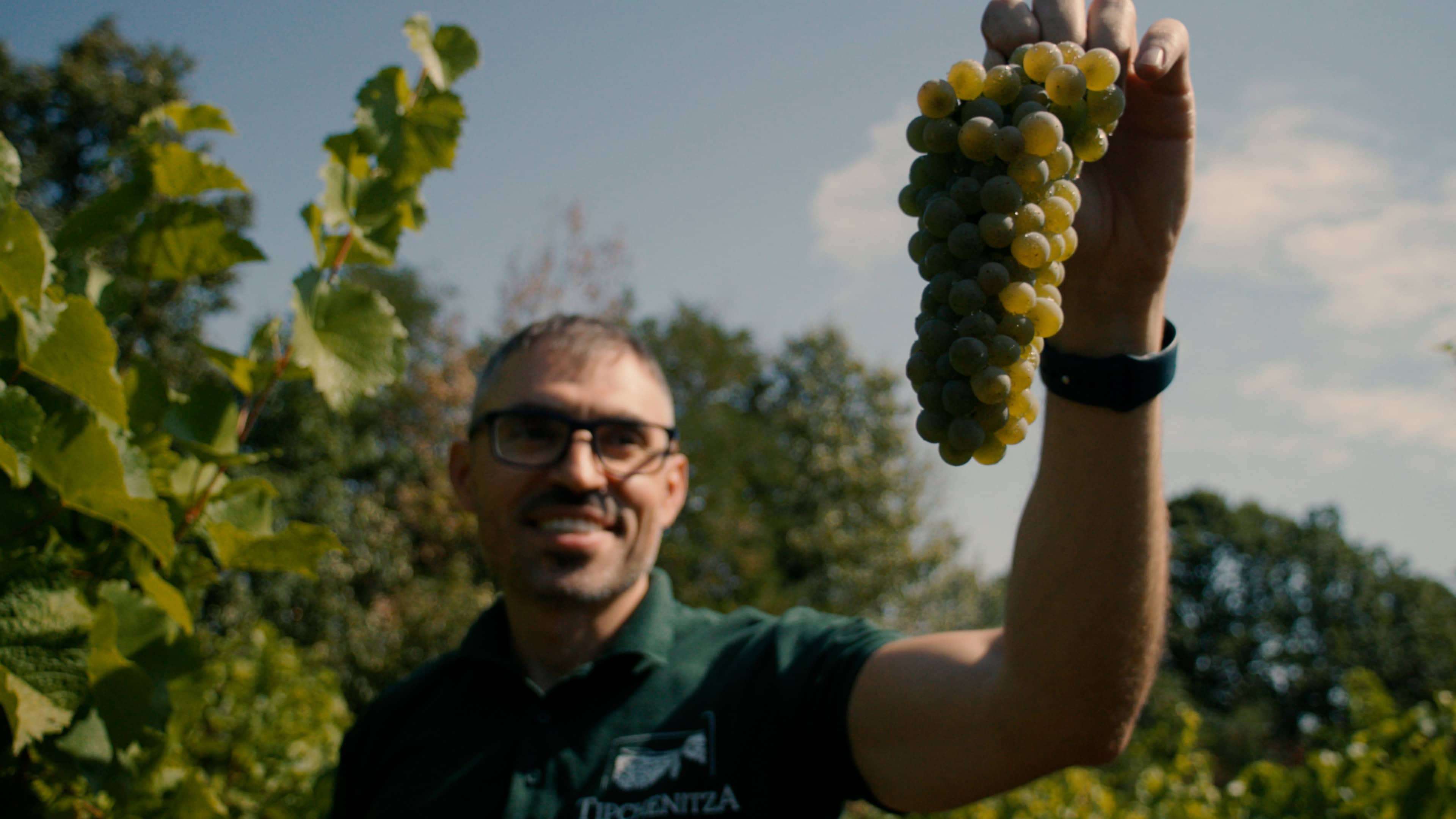
An ambitious mountain estate in northwest Bulgaria
Bulgarian wine has finally shaken off its poor post-communist reputation of the 1990’s and is embracing a craft wine revolution. Tipchenitza Winery embody that change with small batches of premium wine made with native grapes.
Amongst the doom and gloom of UK media, Tipchenitza’s story is a refreshing one. Having recently joined the Eurozone, Bulgaria is confident, ambitious and positive. Tipchenitza have plans to offer an exceptional fine-dining experience which, they hope, will one day win one of the country’s first Michelin stars
Their use of native grapes is another signal of intent. For decades Bulgaria has copied international styles and grape varieties. How many Bordeaux imitations have you seen from around the world? Now, proud to repackage their heritage to a new generation, Tipchenitza are among a growing cohort of Bulgarian winemakers elevating grapes like Rubin and Vrachanski Misket.
Tipchenitza hasn’t forgotten its past though, every year it celebrates St Trifon’s day with traditional costume and blessings for the beginning of the viticultural year.


Where is Tipchenitza Winery?
The estate lies in the mountainous northwest of Bulgaria, near the village of Tipchenitza, within the Danubian Plain wine region. The Danubian Plain stretches along the southern banks of the Danube River, forming one of Bulgaria’s historic viticultural zones.
This part of the country feels continental. It is far inland. There is no moderating sea influence. Summers are hot. Winters are properly cold. Days are warm. Nights cool quickly.
That matters.

Tipchenitza’s climate
Hot Summers
Heat allows grapes to ripen fully. Sugars develop. Tannins soften. Flavours become complete rather than green or thin. This gives you richer texture and clear varietal character.
Cold Winters
Vines need real dormancy. Cold winters reset the plant and reduce pest pressure. This means: Healthier vines. Lower intervention. Cleaner fruit
Cool Nights
Mountain influence brings significant day-night shifts during the growing season. Warm days build ripeness. Cool nights preserve acidity.
What this means for you: Freshness. Lifted aromatics. Balance. Wines that feel alive, not heavy.
The wines from this corner of northwest Bulgaria are not glossy or overblown. They have:
- Natural acidity
- Defined structure
- Clarity of fruit
- Ageing potential
In other words, backbone. When that backbone supports native grapes like Vrachanski Misket or Rubin, you taste something rooted and distinctive, not international, not generic, but unmistakably Bulgarian.

A celebration of native wine grapes
One of the clearest signals of intent at Tipchenitza Winery is its commitment to Bulgarian varieties. Not as novelty. Not as marketing. But as foundation.
Two grapes define the estate’s character: Vrachanski Misket and Rubin.
Vrachanski Misket – Northwest Bulgaria’s Signature White
Vrachanski Misket is indigenous to this part of Bulgaria. It belongs here.
Unlike the broader Muscat family, it is not overtly perfumed or aggressively aromatic. Instead, it offers something more restrained and more interesting: delicate floral notes, orchard fruit, citrus lift, and a gently herbal edge.
In the continental climate of northwest Bulgaria, it holds acidity well. The hot summers bring ripeness. The cool nights preserve freshness.
It feels precise. Structured. Food-oriented.
This is not a loud aromatic white. It is a quietly confident one.

Rubin – Bulgaria’s Modern Classic Red
Rubin is a Bulgarian crossing of Syrah and Nebbiolo, created in the mid-20th century. When grown seriously, it produces wines of real depth.
In northwest Bulgaria’s hot summers, Rubin ripens fully, developing dark fruit and supple tannins. The cold winters help regulate vine health and balance.
At Tipchenitza, Rubin shows:
- Dark cherry and blackberry fruit
- Firm but polished tannins
- Fresh acidity that keeps the wine lifted
- A capacity for oak integration without heaviness
It sits somewhere between the spice and richness of Syrah and the structure of Nebbiolo, yet remains distinctly Bulgarian.
Why These Grapes Matter for Tipchenitza
By focusing on Vrachanski Misket and Rubin, the estate makes a clear statement:
This is not an imitation of Bordeaux or Tuscany.
This is northwest Bulgaria, expressed honestly.
Explore the wines
Not in the trade? Buy Tipchenitza’s wines directly in our online shop.
- Bulgarian Red Blend by Tipchenitza Winery

- Rubin Rosé by Tipchenitza Winery

- Rubin by Tipchenitza Winery

- ‘Oak Barrel’ Rubin by Tipchenitza Winery

- Bulgarian Orange Wine by Tipchenitza Winery

- Bulgarian White Blend by Tipchenitza Winery

- Vrachanski Misket by Tipchenitza Winery

- ‘Oak Barrel’ Bulgarian Red Blend by Tipchenitza Winery

- ‘Oak Barrel’ Bulgarian White Blend by Tipchenitza Winery
