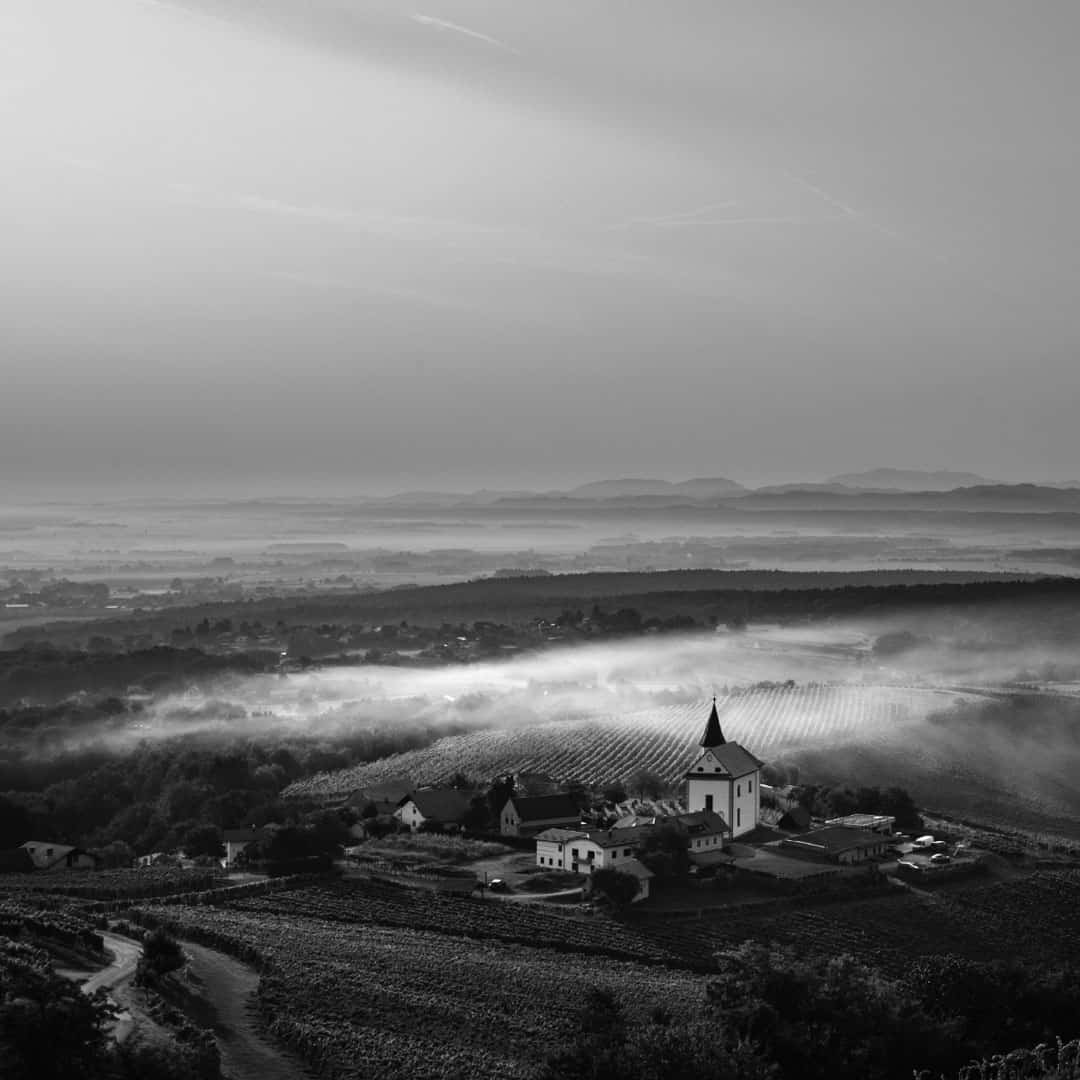
Slovenian wine today is less about comparison and more about confidence
So often defined by its neighbours, Slovenia sits at a cultural and geographic crossroads. Italian, Austrian, and Balkan influences all converge here, shaping the country’s food, language, architecture and, crucially, its wine. Yet since gaining independence in 1991, Slovenia (and by extension, Slovenian wine) has been engaged in a quiet but deliberate process of defining a new identity. That shift is now being felt most clearly in the vineyard.
Slovenian wine today is less about comparison and more about confidence. Rather than borrowing prestige from surrounding regions, producers are increasingly comfortable expressing what makes their own landscapes distinctive. The result is a wine culture that feels both deeply rooted and distinctly modern.
Cool-climate whites from the Alpine north
In the north and north-east, where Alpine influences dominate, Slovenia produces some of Europe’s most compelling cool-climate whites. Riesling and Sauvignon Blanc thrive here, shaped by altitude, cooler nights, and long growing seasons. These wines combine clarity, precision, and freshness, and increasingly stand shoulder-to-shoulder with the best examples from Austria, Germany, and beyond. Not as imitations, but as peers.
Alongside international varieties, Slovenia has retained a remarkable collection of regional grapes. Šipon (known elsewhere as Furmint) produces structured, mineral wines with real ageing potential, while Laški Riesling (also called Graševina) offers balance, subtle aromatics, and an adaptability that suits both fresh, early-drinking styles and more serious expressions. These varieties are not curiosities; they are central to Slovenia’s wine identity.
Further west, the movement toward localisation becomes even more pronounced. In Brda and the Vipava Valley, regions once defined largely by their proximity to Friuli, there has been a conscious shift away from Italian pronunciation and stylistic mimicry. Local names have been reclaimed. Heritage varieties such as Rebula and Zelen have moved from the margins to the centre of production. Winemakers here are increasingly focused on expressing site, soil, and tradition, often through low-intervention approaches that allow these grapes to speak clearly.
Why Slovenian wine matters now
What unites Slovenia’s diverse regions is a shared commitment to authenticity. These are wines made not to chase trends, but to reflect place. For drinkers seeking character, restraint, and a sense of discovery, Slovenian wine offers something quietly compelling.
Visit our online shop to try Slovenian wine or, if you’re in the trade, check out the Slovenian wines on our list.


