
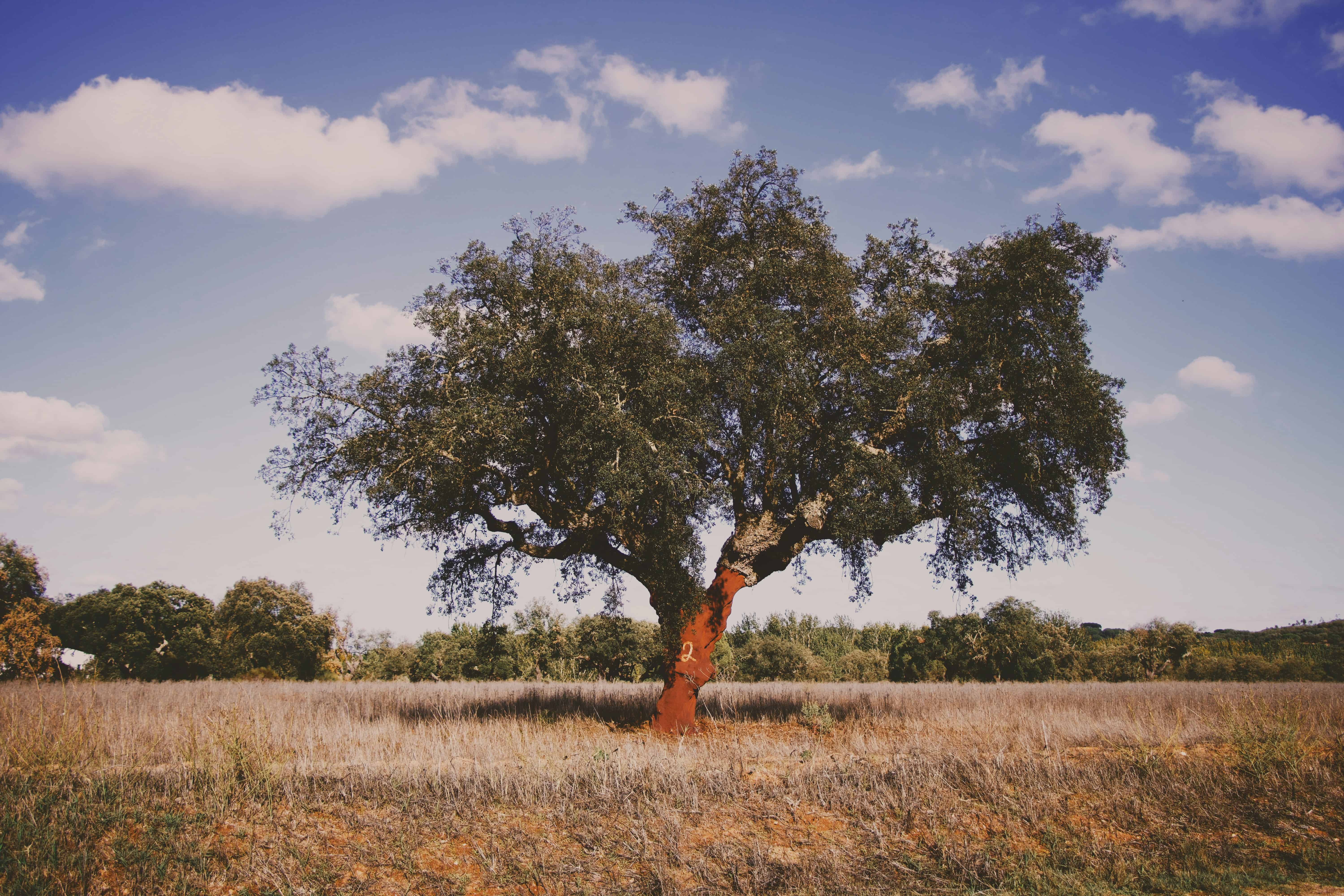
A cornerstone of modern Portuguese wine
When people think of Alentejo wine, they often picture ripe, generous reds and sun-soaked vineyards. The reality is broader, stranger, and far more interesting.
Alentejo is not a wine region first. It is an agricultural region — and that fact shapes everything about its wines.
⸻
A landscape defined by scale, not vines
Alentejo covers nearly a third of Portugal, stretching from the Spanish border almost to the Atlantic. Driving through it can feel hypnotic. You pass kilometre after kilometre of cork oak forests, cattle ranches, wheat fields and olive groves. Estates run to thousands of hectares. Fences exist for livestock, not vines.
Cork production and beef farming dominate. Cereals and olives follow close behind. Wine has historically been a secondary crop, something made alongside the real economic engines of the region.
This is absolutely true — and it explains why Alentejo wine developed the way it did.
⸻
Wine as a practical tradition
For centuries, wine in Alentejo was not about prestige. It was about sustenance.
Grapes were grown near villages, harvested quickly, and fermented communally in talhas — large clay amphorae with roots in Roman Portugal. These vessels helped stabilise fermentations in extreme heat and allowed wine to be made with minimal intervention.
The resulting wines were:
• Warm and soft-textured
• Often oxidative and unfiltered
• Built for daily drinking, not cellars
• Deeply local and unmistakably agricultural
This is one of the oldest continuous winemaking traditions in Portuguese wine, but for much of the 20th century it was dismissed as rustic.
⸻
Native grapes at the heart of Alentejo wine
What’s often missed is that Alentejo has always relied on native Portuguese grape varieties, many of which are ideally suited to heat, drought and poor soils.
Key grapes you’ll encounter include:
• Aragonez (Tempranillo): structure and savoury depth
• Trincadeira: spice, acidity and herbal notes
• Alicante Bouschet: colour, richness and power
• Touriga Nacional: aromatic lift, firm tannins and longevity
Touriga Nacional, Portugal’s most celebrated red grape, plays a different role here than in the Douro. In Alentejo, it ripens fully, delivering floral aromatics and structure without excess weight — increasingly bottled as a single-varietal or used to refine blends.
Together, these grapes form the backbone of serious modern Alentejo wine, anchoring it firmly within the wider story of Portuguese wine.
⸻
From rustic to re-imagined
The modern reputation of Alentejo wine was forged in the late 20th century, when investment brought cleaner cellars, temperature control and international varieties. The wines became smoother, riper, and more export-friendly.
For a while, many lost their sense of place.
Today, the most compelling producers are charting a different course:
• Returning to amphora fermentation, with precision
• Prioritising native grapes over international ones
• Accepting heat as a defining feature, not a problem
• Making wines with generosity and restraint
This new wave of Alentejo wine respects tradition without being trapped by it — confident, grounded, and quietly modern.
⸻
Why Alentejo wine matters in Portugal today
Alentejo may never look like a classic vineyard region. Its beauty is expansive rather than dramatic. But in a warming climate and a crowded wine market, its relevance is growing fast.
• The winemakers there understood viticulture in a warming climate before many other regions
• It has a deep bench of native grape varieties well adapted to the challenge
• It offers authenticity
• It produces wines that feel complete rather than performative
Alentejo wine doesn’t chase trends. It reflects a landscape shaped by time, agriculture, and necessity — and that’s precisely why it has become one of the most important expressions of modern Portuguese wine.
For a brilliant range of wines from Alentejo visit our online shop or, if you’re in the trade, check out the Portuguese wines on our list.


