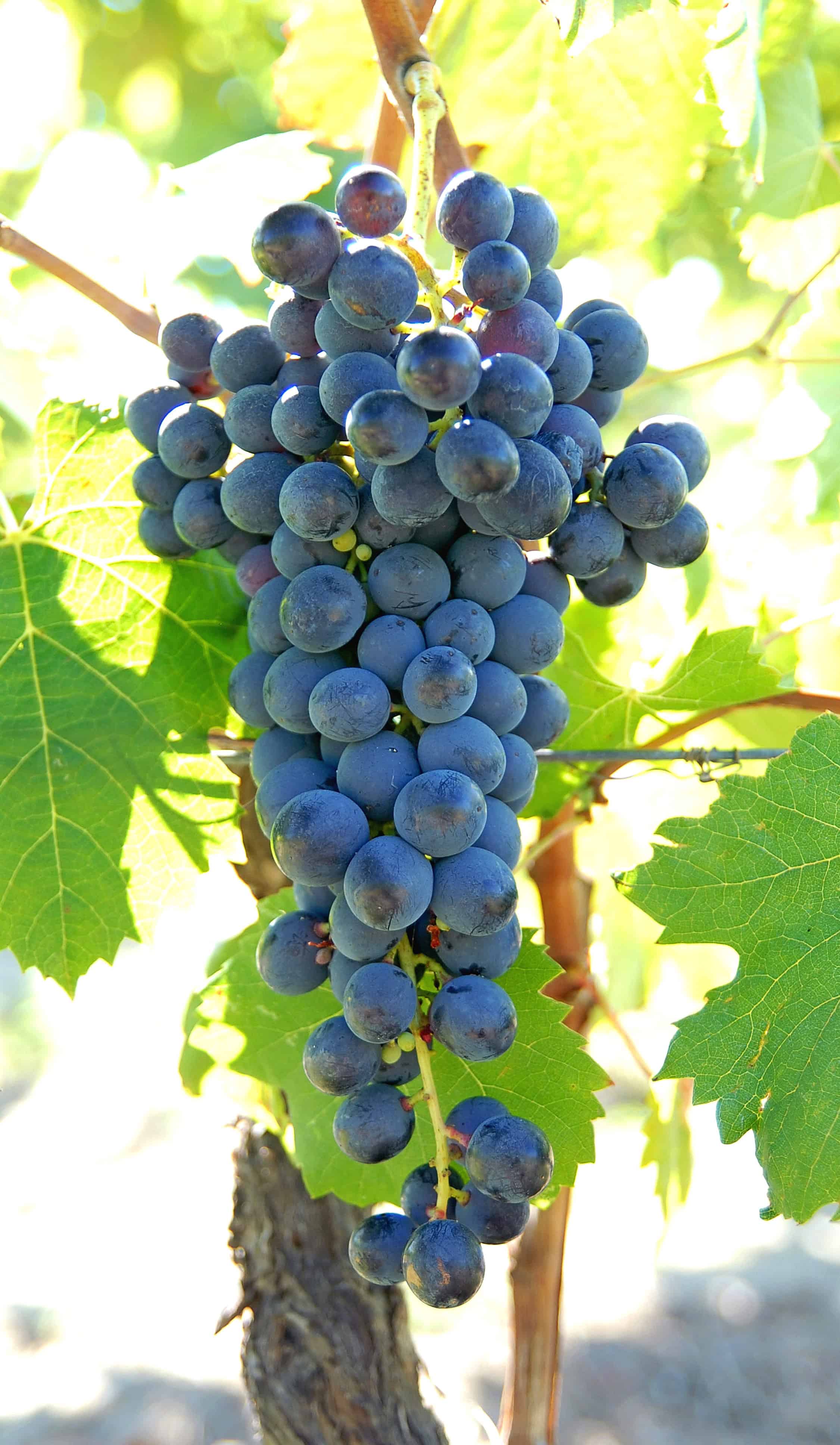
Valued for its colour, richness, and approachability, Tinta Barroca has traditionally been used as a blending grape, both in Port and in still red wines.
Although it rarely takes centre stage, it plays a vital supporting role in many of Portugal’s best wines. Particularly in warm regions such as Alentejo. This guide explains what the grape is, where it grows best, and why it remains so important to Portuguese winemaking today.
⸻
What is the Tinta Barroca Grape?
Tinta Barroca is a native Portuguese red grape variety prized for its ability to ripen easily and produce deeply coloured, fruit-forward wines. It is especially well suited to hot, dry climates, where it develops generous alcohol and soft tannins.
- Key characteristics include:
- Early ripening compared with other Portuguese red grapes
- Naturally high sugar levels
- Low to moderate acidity
- Soft, rounded tannins
- Deep colour extraction
These traits make it an ideal grape for blending, where it adds body, warmth, and drinkability to more structured or aromatic varieties.
⸻
Where is Tinta Barroca Grown in Portugal?
Throughout Portugal, but it performs best in warm inland regions where full ripeness can be achieved consistently.
The Douro Valley
Historically, it was a key component of Port blends, valued for its colour, richness, and ability to reach high sugar levels. In this context, it complements firmer, more aromatic grapes such as Touriga Nacional, helping to soften structure and enhance richness.
Alentejo
In Alentejo, Tinta Barroca has become an important part of modern still red blends. As Alentejo producers increasingly refocus on Portuguese native grape varieties, it is often used to soften blends and enhance early approachability. Occasionally, in good years, it can be seen as a varietal wine.
⸻
What Does Tinta Barroca Wine Taste Like?
Typically plush, smooth, and fruit-driven. Common flavour and aroma characteristics include:
- Ripe blackberry and black cherry
- Plum and damson
- Milk chocolate or cocoa
- Gentle baking spice
- Occasional floral or herbal notes
As it tends to have soft tannins and moderate acidity, the wines are usually approachable when young and rarely austere. This makes it especially valuable in blends designed for everyday drinking rather than long-term cellaring.
⸻
Is Tinta Barroca Used in Blends?
Yes, this is central to its identity. In Portuguese red wine blends it is often paired with other native grape varieties such as:
- Touriga Nacional (for structure and aromatics)
- Aragonez / Tinta Roriz (for savoury depth and acidity)
- Alicante Bouschet (for colour and power)
In these blends, the Tinta Barroca grape contributes body, alcohol, and smoothness, helping to round out firmer or more tannic components.
⸻
Why Tinta Barroca Works So Well in Alentejo Wines
Alentejo is known for producing full-bodied, ripe, and accessible red wines, and Tinta Barroca fits this style naturally.
In Alentejo blends, the Tinta Barroca grape helps to create wines that are:
- Rich but not aggressive
- Smooth and fruit-led
- Suitable for early drinking
- Excellent value for money
As the region moves away from international varieties and back towards indigenous grapes, Tinta Barroca continues to play a quiet but essential role in defining modern Alentejo red wine.
⸻
Food Pairing
Thanks to its soft tannins and generous fruit profile, Tinta Barroca wine is highly food-friendly. Good pairings include:
- Grilled lamb or pork
- Slow-cooked stews and casseroles
- Barbecued vegetables
- Mildly spiced dishes
- Semi-hard and hard cheeses
Its forgiving structure makes it an easy match at the table, even with mixed or informal meals.
⸻
Why It Deserves More Attention
Tinta Barroca may lack the prestige of Portugal’s most famous varieties, but it is foundational to Portuguese red wine. It brings warmth, softness, and balance — qualities that are especially valuable in hot regions like Alentejo.
For anyone exploring Portuguese wines beyond the headline names, it is a grape worth knowing — even if it often works behind the scenes rather than in the spotlight.
To try Portuguese wines visit our online shop.
Explore More Grape Guides
- Malvazija: Four Countries, One Vineyard

- Teran: The grape Europe fought over

- Vrachanski Misket: The Dictator’s Favourite Grape That Refused to Disappear

- Rubin: The Bulgarian Grape That Waited for the World to Catch Up

- Vrachanski Misket: Bulgaria’s aromatic original

- How Gouveio brings balance to Alentejo white wine

- Ranfol: The Slovenian wine grape you’re meant to overlook

- Tinta Barroca: Portugal’s unsung blending grape

- Discover Touriga Nacional: Portugal’s celebrated red wine grape
